Lawn Care in Holborn: Practical, Local, and Year-Round Advice for a Greener Outdoor Space
When people think about lawn care in Holborn, they often picture a tidy patch of grass outside a townhouse, a compact courtyard lawn, or a shared communal green that needs careful attention in a busy urban setting. Holborn is a distinctive part of central London, and that means lawn maintenance here comes with its own set of challenges and opportunities. From shaded areas between buildings to foot traffic, pollution, and limited outdoor space, lawn care in Holborn requires a smart, consistent approach rather than a one-size-fits-all routine.
Whether you are a homeowner, landlord, property manager, or business owner, keeping your lawn healthy in Holborn can improve curb appeal, support biodiversity, and create a more welcoming environment. A well-kept lawn also sends a strong message: the property is cared for, the space is usable, and the outdoor area contributes to the overall look and feel of the building. If you want strong, attractive grass in central London, the right lawn care strategy matters.
In this article, we will explore the specific needs of Holborn lawn care, including mowing, feeding, watering, aeration, weed control, seasonal maintenance, and turf selection. You will also find practical tips for small spaces, advice for shaded lawns, and suggestions for choosing services that suit the pace and conditions of city living. Healthy grass in Holborn is possible with the right plan and regular attention.
Understanding the Local Conditions That Affect Lawn Care in Holborn

Holborn is part of central London, and that urban setting has a direct impact on grass health. Buildings can block sunlight, reduce airflow, and create dry or damp microclimates depending on the shape of the surrounding streets and courtyards. In some gardens, tall walls and neighboring properties create shade for much of the day, which can weaken turf if the wrong grass type is used. That is why lawn care in Holborn must begin with an understanding of the local environment.
Another key factor is foot traffic. Many lawns in Holborn are used in communal spaces, residential gardens, office courtyards, or hospitality settings. Repeated walking over the same areas compacts the soil and damages the blades, which leads to thinning grass and bare patches. Add in the effects of air pollution, heat reflected from buildings, and occasional water runoff issues, and it becomes clear that urban lawns need more than basic mowing.
Soil quality also matters. London soils vary widely, and compacted, nutrient-poor ground is common in built-up areas. A lawn may look fine on the surface while the root system struggles below. For that reason, successful lawn care in Holborn usually includes soil improvement, aeration, and feeding, not just surface-level treatment. The better the soil, the healthier the grass.
Why Lawn Care in Holborn Needs a Different Approach

Unlike large suburban lawns, Holborn lawns are often smaller, more visible, and more intensely used. This means every detail counts. Edges, pathways, borders, and patch repairs become just as important as the main grass area. If a small lawn has brown patches or uneven growth, it is immediately noticeable. In a central London setting, presentation matters, so lawn care in Holborn should balance appearance with long-term health.
In many properties, lawns must also work alongside paving, raised beds, containers, artificial elements, or shaded seating areas. That means the lawn is only one part of a wider outdoor layout. A good plan should support the whole space, not treat the grass in isolation. For instance, overwatering a lawn that sits near a wall or under trees can cause moss and fungal issues. On the other hand, underfeeding a lawn in a sunny courtyard may lead to pale, weak grass that struggles in summer.
Professional-level lawn care in Holborn often focuses on prevention. Preventing compaction, preventing weed spread, preventing thatch build-up, and preventing nutrient loss can save time and reduce costly repairs later. When the lawn is in a high-profile area, consistent maintenance is usually more effective than reactive treatment. Small lawns still need expert attention.
Core Services for Lawn Care in Holborn
1. Mowing for Healthy Growth
Mowing is one of the most basic parts of lawn care in Holborn, but it has a major impact on grass quality. Cutting too short can stress the lawn, expose the soil, and encourage weeds and moss. Cutting too infrequently can leave the area messy and uneven. The ideal mowing height depends on grass type, sunlight levels, and seasonal conditions, but the general goal is to remove only the top portion of the blades while preserving root strength.
In central London gardens, mowing should be adjusted for compact spaces and low-light conditions. Shaded lawns usually benefit from being cut slightly higher to allow more leaf surface for photosynthesis. During dry spells, mowing less aggressively can help the grass retain moisture. A good Holborn lawn care routine also includes sharp mower blades, because dull blades tear the grass rather than cutting it cleanly.
For small lawns, a lighter, more frequent mowing schedule often works best. This keeps the lawn neat while minimizing stress. If the lawn is used by children, pets, or visitors, regular mowing also improves usability and safety. Well-timed mowing is one of the easiest ways to improve lawn appearance.
Best mowing practices
- Mow when the grass is dry to avoid clumping and uneven cuts.
- Keep mower blades sharp for a clean finish.
- Never remove more than one-third of the grass height at once.
- Adjust mowing height for shade, heat, and seasonal growth.
- Leave grass clippings only if they are short and evenly distributed.
2. Feeding and Fertilising the Lawn
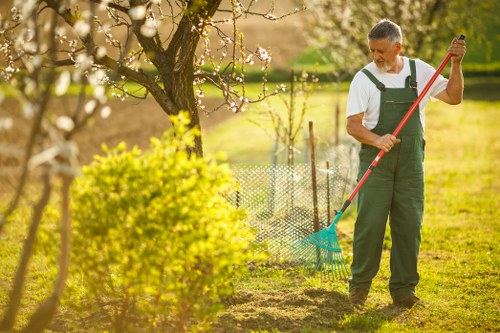
Feeding is essential for any lawn, but it is especially important in urban areas where grass faces more stress. A good fertiliser helps the lawn recover after mowing, supports root growth, and improves colour. In lawn care in Holborn, fertiliser choice should reflect the time of year and the condition of the grass. A spring feed may focus on recovery and growth, while an autumn feed can strengthen the lawn before colder weather arrives.
Because many Holborn lawns are small or partially shaded, they often need a careful, measured approach to feeding. Too much fertiliser can burn the lawn or push weak, soft growth that becomes vulnerable to disease. Too little, and the grass may remain thin and pale. The best approach is often a balanced, slow-release feed applied at the right time. This supports a steady, reliable improvement rather than a sudden burst of growth.
Feeding is not just about greener colour. It is about building resilience. Grass that receives the right nutrients is better able to tolerate drought, wear, and seasonal change. For this reason, lawn care in Holborn should include a feeding plan that matches the property’s use and the local conditions.
Useful feeding tips
- Use a fertiliser suited to the season.
- Apply evenly to avoid patchy colour or scorch marks.
- Water lightly after feeding if the product instructions recommend it.
- Avoid overfeeding shaded lawns, which can encourage weak growth.
- Consider soil testing if the lawn remains pale or poor despite feeding.
Watering and Drainage Considerations
Watering is another critical part of lawn care in Holborn, but it is easy to get wrong. Many people assume lawns need frequent watering, yet overwatering can be just as harmful as dryness. In urban gardens where drainage may be limited, too much water can lead to soggy patches, moss, and root stress. At the same time, summer heat and reflected warmth from buildings can dry out small lawns faster than expected.
The best watering strategy is usually deep and occasional rather than light and constant. This encourages roots to grow deeper into the soil, making the grass more resilient. Early morning watering is often ideal because it reduces evaporation and gives the lawn time to dry during the day. If the lawn sits in partial shade, watering requirements may be lower than in a sunny courtyard.
Drainage should not be ignored. If water pools after rainfall or irrigation, the lawn may need aeration, topdressing, or soil improvement. Effective Holborn lawn care often includes diagnosing whether problems come from too little water, too much water, or poor drainage. The right balance helps avoid common turf problems.
Dealing with Weeds, Moss, and Bare Patches

Weeds and moss are common problems in central London lawns. Shade, compaction, moisture, and poor soil all create conditions where unwanted growth can thrive. In lawn care in Holborn, weed prevention starts with a healthy, dense lawn because thick grass leaves less room for weeds to establish. Moss, on the other hand, often points to deeper issues such as low sunlight, poor drainage, acidity, or nutrient deficiency.
When bare patches appear, quick action is important. Small damaged areas can often be repaired with overseeding, topsoil, and light feeding. If patches are left untreated, weeds may invade and the problem can spread. In busy residential or commercial settings, patch repair is especially important because lawn quality affects first impressions. A clean, even surface looks far more cared for than a lawn with visible gaps and rough edges.
Many property owners in Holborn prefer a long-term, natural-looking solution to weed control rather than relying only on aggressive treatments. That usually means improving conditions so grass can outcompete weeds. Healthy turf is the best weed defence. Where necessary, selective weed control can be used as part of a wider maintenance strategy, but it should not be the only method.
Common lawn issues and responses
- Weeds: improve lawn density, mow properly, and remove invasive growth early.
- Moss: reduce shade where possible, improve drainage, and feed the lawn.
- Bare patches: overseed and protect the area while new grass establishes.
- Thin grass: aerate, feed, and adjust mowing height.
- Compaction: use aeration and reduce repeated foot traffic on the same routes.
Seasonal Lawn Care in Holborn
Spring Maintenance
Spring is one of the most important periods for lawn care in Holborn. After winter, grass often looks tired, patchy, or discoloured. The aim in spring is to restore health and encourage fresh growth. This typically involves raking out debris, checking for moss, edging borders, mowing lightly, and applying a suitable feed. If the lawn has compacted soil, aeration can make a significant difference.
Spring is also a good time to overseed thin areas before growth slows in summer. In a city environment, lawns may be recovering not only from cold weather but also from foot traffic, pollution, and reduced light. A structured spring routine sets the tone for the rest of the year. Strong spring care means a stronger lawn later.
Summer Maintenance
Summer in Holborn can be harsh on small lawns, especially where buildings reflect heat and reduce airflow. The lawn may need less mowing, but more attention to watering, trimming, and stress management. Avoid cutting too short during hot weather. If the grass becomes dormant or dry, reduce traffic and allow recovery time. In some cases, a temporary brown colour is normal, and the grass can bounce back when conditions improve.
Summer is also the season to watch for disease, grub damage, and heat stress. If the lawn is in a courtyard or enclosed garden, airflow is limited and fungal issues can appear more easily. Good Holborn lawn care during summer is about maintaining stability rather than forcing growth.
Autumn and Winter Care
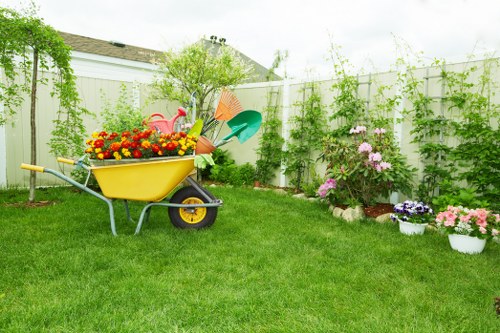
Autumn is an ideal time to prepare the lawn for winter. In lawn care in Holborn, this usually means scarifying, aerating, feeding with an autumn product, and repairing any damage from summer use. The cooler temperatures and occasional rainfall create good conditions for root recovery. Autumn overseeding can also help fill in thin areas before the cold months arrive.
Winter care is more about protection and observation. Grass grows slowly in cold weather, so it should not be cut as often. Avoid walking over frosty lawns where possible, as this can damage the blades and compact the soil. Clear leaves regularly to prevent light blockage and rot. A tidy lawn going into winter is more likely to recover well in spring. Year-round planning makes a visible difference.
Many people overlook winter, but it is a key part of successful lawn care in Holborn. Even if the lawn seems inactive, the choices made in winter affect spring performance. Good maintenance now reduces future repair work and keeps the grass healthier overall.
Choosing the Right Turf and Grass Types
Not every grass type performs equally well in Holborn’s varied conditions. If you are establishing a new lawn or renovating an existing one, selecting the right turf mix is essential. In shaded gardens, a shade-tolerant grass blend may be more suitable. In sunny courtyards or high-use communal areas, a hard-wearing mix can better resist wear and tear. In many cases, the best lawn care in Holborn begins before maintenance even starts, with the right choice of seed or turf.
For small urban spaces, appearance, resilience, and maintenance requirements should all be considered. Fine ornamental grass may look elegant, but it can struggle under foot traffic. A durable blend may not be as delicate in appearance, but it often delivers a much better result in a city environment. The best choice depends on how the lawn will be used and how much light it receives.
When renovating a lawn, it is often useful to match the grass mix to the site conditions rather than trying to force a standard solution. Right grass, right place, right care.
Practical Tips for Small Gardens, Courtyards, and Communal Spaces
Holborn properties often include compact outdoor areas rather than large open lawns. That creates special opportunities and challenges. In a small space, every maintenance step is visible, so the lawn needs to be neat, balanced, and in proportion to the rest of the design. Lawn care in Holborn for small areas should focus on efficiency and precision.
Here are some useful tips for compact city lawns:
- Keep edging crisp to define the lawn clearly.
- Use lightweight equipment where possible to reduce compaction.
- Rotate foot traffic patterns to avoid worn paths.
- Remove debris, leaves, and litter quickly.
- Combine mowing, feeding, and watering with a simple schedule.
In communal areas, consistency is especially important. A shared lawn can quickly become uneven if it is not maintained regularly. Setting a routine for mowing, seasonal feeding, and patch repair helps preserve the overall quality of the space. Holborn lawn care is often about discipline and timing more than complexity.
How Professional Lawn Care in Holborn Adds Value
Many people can manage basic grass maintenance themselves, but professional support often brings better and more reliable results. A trained lawn specialist understands soil health, disease control, feeding schedules, and seasonal changes in a way that reduces trial and error. This is particularly valuable in Holborn, where lawns may have shade issues, limited access, or high presentation standards.
Professional lawn care in Holborn can also save time. Instead of spending weekends trying to diagnose yellowing grass or patchy growth, property owners can rely on planned maintenance. That matters in central London, where time is limited and outdoor areas are often part of a broader property portfolio. Businesses, landlords, and private residents alike may benefit from a consistent service that keeps the lawn looking its best.
Well-managed lawns improve the atmosphere of a property, support better outdoor use, and contribute to a polished appearance. If your lawn has been struggling, now is the right time to take action. Contact us today to discuss the best approach for your outdoor space, or book your service now if you want a lawn that looks healthier, neater, and more resilient throughout the year.
Building a Long-Term Lawn Care Routine in Holborn
The best lawn care in Holborn is not based on occasional fixes. It is built around a routine that reflects the seasons, the site conditions, and the way the lawn is used. That routine may include weekly or fortnightly mowing, monthly inspection for weeds and patches, seasonal feeding, and periodic aeration. When those tasks are carried out consistently, the lawn gradually becomes stronger and more attractive.
Long-term maintenance also reduces stress on the turf. Instead of allowing the lawn to decline and then investing heavily in recovery, regular care keeps it stable. This is especially useful in urban properties where the lawn is part of the overall impression of the building. A healthy lawn can make a courtyard feel larger, a garden feel brighter, and a business entrance feel more inviting.
If you want results that last, think beyond the next cut or quick fix. Focus on root strength, soil quality, correct watering, and seasonal adjustment. That is what turns ordinary grass into a reliable feature of the property. Consistent lawn care pays off.
Final Thoughts on Lawn Care in Holborn
Holborn is a unique place to manage grass because the environment combines city pressure with limited outdoor space and high visibility. Yet with the right approach, lawns here can still thrive. Good lawn care in Holborn is about understanding shade, drainage, soil quality, foot traffic, and seasonal change. It is about making smart choices with mowing, feeding, watering, and repair, while keeping the lawn suited to how the property is actually used.
Whether your lawn is a small front patch, a private garden, a communal green, or part of a commercial courtyard, it deserves a plan that fits local conditions. By investing in regular maintenance and thoughtful improvements, you can create a lawn that looks better, lasts longer, and adds genuine value to the space. Healthy grass is always worth the effort.
For anyone ready to improve their outdoor area, now is the perfect time to act. Book your service now and take the next step toward a cleaner, greener, and more resilient lawn in Holborn.

